Summary
Testing proxy IP reputation is critical to bypassing advanced anti-bot walls like Cloudflare and Akamai. This guide covers 7 essential checks—including fraud scores, ASN purity, leak testing, and TLS fingerprinting—alongside expert methodologies and high-performance infrastructure solutions from OkkProxy to help you maintain clean, high-performance connections across rotating residential, static ISP, and mobile proxies.
Introduction
In the modern digital landscape, web scraping, multi-account management, ad verification, and market research are heavily dependent on the quality of your proxy infrastructure. If you deploy an IP address with a poor reputation, target servers, firewalls, and security vendors will instantly block your requests. Knowing How to Test Proxy IP Reputation is no longer optional—it is the core determinant of whether your automated operations succeed or fail.
Unlike basic connectivity scripts, rigorous proxy testing involves evaluating fraud telemetry, network origins, protocol leaks, and behavioral signatures. Drawing from years of operational experience at OkkProxy, this comprehensive guide outlines the 7 critical metrics you must check to ensure your proxy pool remains pristine, anonymous, and highly effective.
1. Check IP Fraud Score and Reputation Databases
Before deploying any proxy IP into production, you must evaluate how third-party risk systems and security databases perceive it. Automated fraud scoring engines continuously monitor IP activity, cataloging historical abuse, spam reports, and proxy/VPN flags.
Key Tools and Databases to Query:
- IPQualityScore (IPQS): Analyzes historical fraud risk, proxy/VPN type, and hosting/ASN data, returning an overall risk score. For details, see guides on Connection Stability vs IP Quality: Which Matters More After Login.
- AbuseIPDB: Checks whether the IP address has been reported for malicious behavior, web scraping abuse, or brute-force attacks.
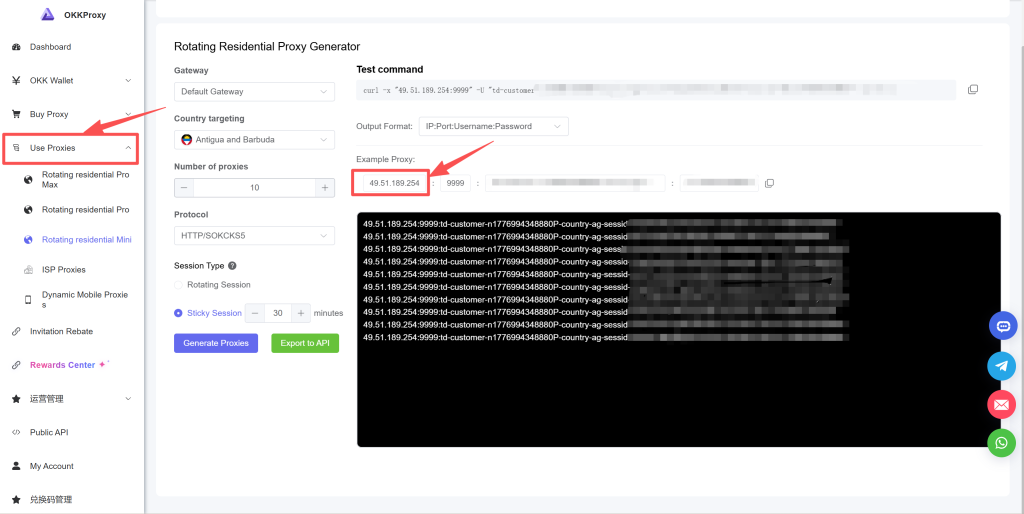
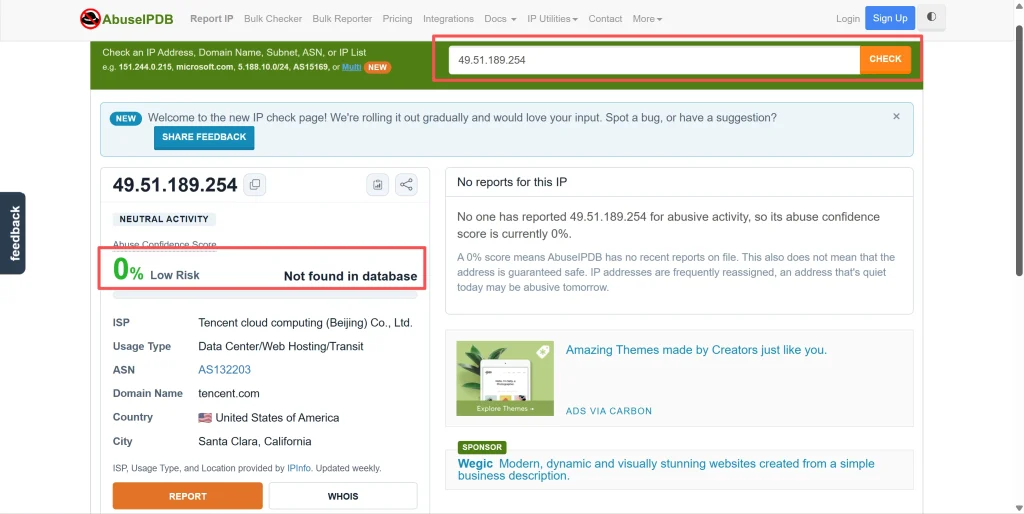
- CleanIP & APIVoid: Automatically inspects target IPs against multi-layered blocklists to provide an immediate IP purity score from 0 to 100.
Takeaway: Always run automated API batch checks using a robust proxy checker tool before scaling your scraping jobs. IPs with an IPQS fraud score exceeding 75 are typically flagged instantly by target websites.
2. Verify ISP Type, ASN, and Subnet Diversity
Not all IP addresses are created equal. Security systems differentiate sharply between commercial data centers and authentic consumer networks. Understanding your Autonomous System Number (ASN) and Internet Service Provider (ISP) classification is vital.
Evaluating Network Classifications:
- Datacenter Proxies: Fast and cost-effective, but frequently blocked because their ASN belongs to cloud hosting providers (e.g., AWS, DigitalOcean).
- Residential & ISP Proxies: Tied to real consumer broadband or static enterprise connections, offering superior legitimacy. To explore more, read our deep dive into what are rotating residential proxies.
- Mobile Proxies: Linked to cellular carriers (4G/5G), sharing mobile carrier blocks that web applications rarely block due to shared dynamic CGNAT environments.
| Proxy Category | ASN Origin Risk | Typical Use Case | Recommended IP Reputation Level |
| Rotating Datacenter | High | Bulk public data indexing, low-security targets | Moderate (Clean baseline required) |
| Rotating Residential | Low | Web scraping, social media management, ad verification | High (Low fraud score, clean ASN) |
| Static ISP (Datacenter-ISP) | Low | Account management, long-term sessions | Pristine (Dedicated, zero abuse history) |
| Rotating Mobile | Lowest | App testing, high-security e-commerce automation | Maximum trust (Cellular carrier assigned) |
Pro Tip: Do not test just one isolated IP. Sample at the subnet block level (e.g., checking /24 CIDR blocks). If multiple consecutive IPs are blacklisted, the entire subnet is likely burned, and you should switch providers or request a pool refresh.
3. Inspect DNS, WebRTC, and Protocol Leaks
Even if your primary proxy IP appears clean, misconfigured environments often leak your true identity through underlying browser protocols. A thorough proxy detection test must encompass leak verification.
Core Leak Vectors to Monitor:
- DNS Leaks: Ensure your Domain Name System requests do not bypass the proxy tunnel and query your local ISP’s DNS resolvers.
- WebRTC Leaks: Real-Time Communication protocols can expose your local or public IP address directly through JavaScript STUN requests, completely ignoring proxy settings.
- IPv6 Leaks: If your machine supports IPv6 but your proxy only tunnels IPv4 traffic, dual-stack networks will expose your native IPv6 address.
Run diagnostic audits using specialized testing suites like Browserleaks or PixelScan to ensure your configuration is airtight before executing sensitive workflows.
4. Evaluate Browser Fingerprinting and TLS Handshake Signals
Modern anti-bot engines do not rely solely on IP reputation; they inspect the cryptographic handshake and browser fingerprint. When a connection is established, security gateways analyze your TLS version, cipher suites, HTTP/2 parameters, and JA3/JA4 fingerprints.
- Inconsistent Headers: If your IP claims to be a residential user in New York, but your TLS fingerprint or HTTP headers indicate automated scraping scripts or headless browsers (like Puppeteer or Playwright without stealth plugins), you will trigger an immediate challenge.
- Behavioral Matching: High-reputation proxies must pair with matching device fingerprints to successfully bypass advanced bot mitigation tools.
5. Simulate Real Target Website and Bot Mitigation Challenges
Laboratory proxy tests can be misleading. The ultimate test of proxy IP reputation is how it interacts with real-world target environments protected by enterprise-grade Web Application Firewalls (WAFs) such as Cloudflare, Akamai, Datadome, and PerimeterX.
Actionable Testing Method:
- Route test requests (via command-line tools like curl -x or custom headless scripts) to heavily guarded endpoints or testing portals.
- Observe whether you receive a standard HTTP 200 OK, an HTTP 403 Forbidden, or an interactive JavaScript/Captcha challenge (such as Cloudflare Turnstile).
- For users leveraging specialized automation frameworks, ensure your setup complies with performance standards outlined in our guide on how to avoid IP blocks in web scraping.
6. Benchmark Speed, Latency, and Stability Under Load
An IP address can have a pristine reputation score, but if its latency exceeds 2,000ms or drops connections every few minutes, it is useless for real-time operations like automated checkouts, financial monitoring, or large-scale data harvesting.
- Response Time: Measure the time-to-first-byte (TTFB) across target geographic regions.
- Success Rate under Concurrency: Test how the proxy performs when firing 50+ simultaneous threads. Poor infrastructure will experience immediate throttling or packet drops, degrading your effective proxy reputation over time due to high error rates.
7. Verify Geographical and ASN Precision
Many low-tier proxy providers engage in “geo-spoofing,” where an IP address is marketed as residing in London or New York, but geo-database lookups (like MaxMind or IPinfo) reveal it actually originates from a different region or data center block.
- Use multi-point IP checks to verify that the IP’s reported latitude, longitude, city, and ASN match the provider’s claims.
- Accurate geo-targeting is essential for localized tasks such as ad verification, localized SEO tracking, and regional pricing audits.
How OkkProxy Delivers Uncompromising IP Reputation
Maintaining clean IP pools requires continuous maintenance, automated abuse monitoring, and direct partnerships with legitimate consumer ISPs. OkkProxy provides tailored proxy solutions designed to withstand rigorous security checks across 190+ countries and regions:
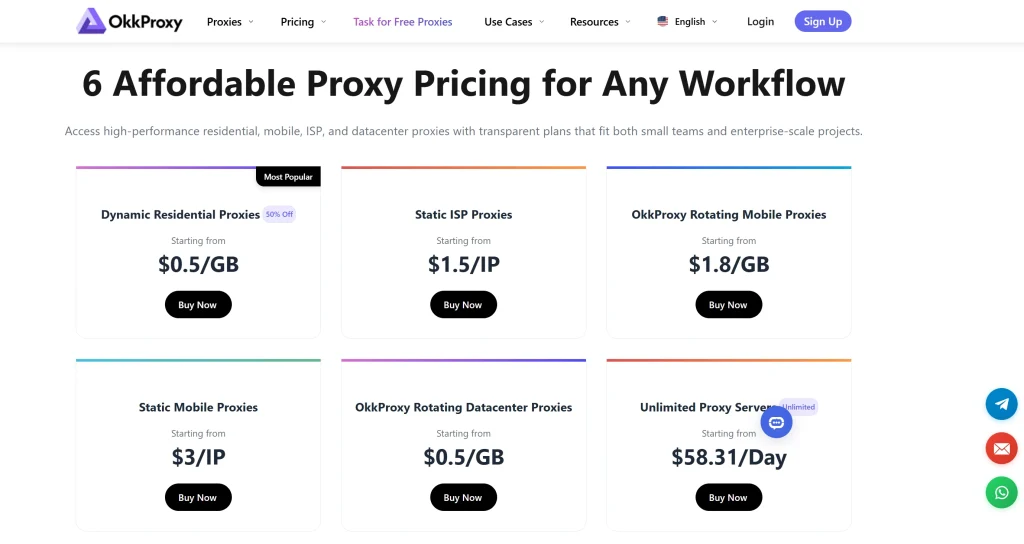
- Rotating Residential Proxies: Sourced from genuine peer-to-peer and ethical broadband networks featuring 50M+ to 80M+ IP pools, country and city targeting, HTTP/SOCKS5 support, and prices starting as low as $0.50/GB.
- Static ISP Proxies: Blending the speed of datacenter infrastructure with the absolute trust of real ISP-assigned static IPs, available in Broadcast IP ($1.50/7 days, $5/30 days) and Premium Native IP ($4.50/7 days, $8/30 days).
- Rotating Mobile Proxies: Utilizing authentic 4G/5G mobile carrier connections starting from $1.80/GB to ensure maximum anonymity and zero CAPTCHA friction.
- Unlimited Residential Proxies: High-concurrency options (up to 50,000 QPS) starting from $58.31/day for massive, unthrottled data harvesting.
To learn more about optimizing your workflow, check out our resource on Why Mobile Proxies Feel Safer but More Unstable and What’s the First Thing You Notice When a Proxy Starts Failing. Plus, you can enjoy 10% OFF all recharges by applying the coupon code PAY2 at checkout!
Proxy Reputation Testing Checklist
Use this quick operational checklist before deploying any new proxy batch into your application:
- Fraud Score Check: Run sample IPs through IPQualityScore or AbuseIPDB (Ensure score < 20).
- ASN & ISP Verification: Confirm the IP belongs to a true residential/ISP carrier rather than a hosting provider.
- Leak Audit: Verify that DNS, WebRTC, and IPv6 leaks are fully disabled or tunneled.
- WAF Challenge Test: Send test requests to Cloudflare/Akamai protected sites to check for blocks.
- Speed & Latency Benchmark: Test TTFB and concurrency limits under load.
- Geo-Accuracy Check: Validate that the IP’s physical location matches target requirements.
Frequently Asked Questions (FAQ)
1. How can you tell if a proxy is clean or flagged?
You can determine if a proxy is clean by running its IP address through reputation lookup engines like IPQualityScore, AbuseIPDB, or a dedicated proxy checker. If the tool flags the IP for proxy/VPN usage, high fraud scores, or previous spam activity, target websites will likely block it.
2. Why do websites block datacenter proxies faster than residential proxies?
Datacenter proxies originate from cloud hosting providers and commercial servers whose IP ranges are publicly cataloged. Anti-bot systems immediately recognize these ASNs, whereas rotating residential proxies belong to real home internet users, making them indistinguishable from organic traffic.
3. What is a good IP quality score when testing proxies?
For strict anti-bot environments (such as ticketing, e-commerce monitoring, or social media automation), you should aim for an IP fraud score of 0 to 15 on platforms like IPQualityScore. Scores above 50 carry a high risk of triggering immediate captchas or bans.
4. How do mobile proxies maintain such high reputation scores?
Mobile proxies operate on cellular carrier networks (4G/5G) utilizing Carrier-Grade Network Address Translation (CGNAT). Hundreds of legitimate mobile users share the same dynamic IP address simultaneously, forcing security systems to avoid blanket bans to prevent blocking genuine human customers.