
In 2026, many online tasks—from protecting privacy to scraping data and accessing region-locked content—have become harder than ever. As a result, rotating residential proxies are now widely used by both businesses and individuals. By automatically rotating IP addresses sourced from real residential networks, these proxies provide strong anonymity and reliable access.
If you’re looking to improve scraping, account management, or location-based testing, this guide shares practical insights drawn from real-world use, including experience with providers like OkkProxy.
Based on years of hands-on experience with proxy solutions, we’ve put together 10 practical tips to help you get the most out of rotating residential proxies. Whether you’re just learning how dynamic residential proxies work or searching for cost-effective, high-quality options, you’ll find clear, actionable guidance.
By the end, you’ll see how choosing reliable rotating residential proxies—such as unlimited-bandwidth options from OkkProxy—can reduce blocks, improve stability, and make your online workflows far more efficient.
What Are Rotating Residential Proxies?
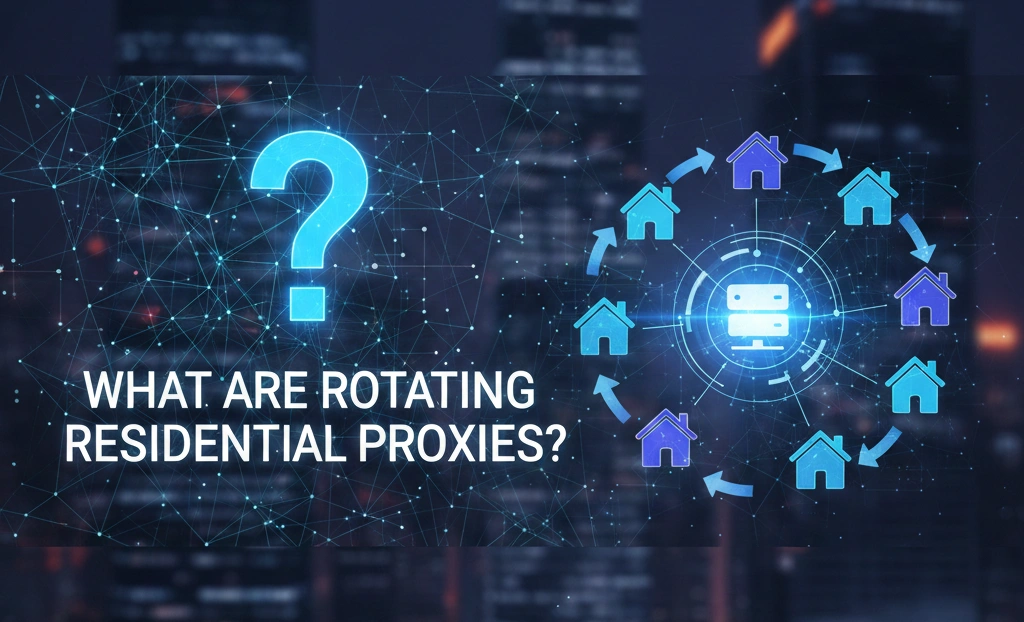
Rotating residential proxies are intermediary servers that route your internet traffic through a pool of authentic residential IP addresses, automatically changing them at set intervals or per request. This rotation mimics natural user behavior, making it harder for websites to detect and block you.
Unlike datacenter proxies, which use server-based IPs and are easily flagged, rotating residential proxies leverage IPs from everyday home networks provided by ISPs. This authenticity is key for tasks requiring stealth. For instance, if you’re exploring cheap rotating residential proxies, focus on providers with large IP pools to maintain rotation efficiency.
From our experience at OkkProxy, these proxies excel in high-demand scenarios, achieving up to 99% success rates in data extraction. Synonyms like dynamic residential proxies or rotational residential proxies refer to the same concept, emphasizing the IP-switching feature.
Why Do You Need Rotating Residential Proxies?
You need rotating residential proxies to maintain anonymity and avoid IP bans during intensive online activities. In 2026, with stricter anti-bot measures on platforms like e-commerce sites and social media, static IPs quickly get blacklisted.
Key reasons include:
- Bypassing Restrictions: Access geo-blocked content from specific regions, such as USA residential rotating proxies for localized market research.
- Enhanced Privacy: Hide your real IP by cycling through thousands of residential ones.
- Scalability: Handle large-scale tasks without downtime, ideal for web automation.
Compared to non-rotating residential proxies, rotating versions reduce detection risks significantly.
How Do Rotating Residential Proxies Work?
Rotating residential proxies work by connecting your device to a backconnect gateway managed by the provider. Each request pulls a new IP from a vast residential pool, routing traffic through it before returning responses.
The process involves:
- IP Pool Management: Providers source IPs ethically from consenting users.
- Rotation Triggers: Switches occur per request, time-based (e.g., every 10 minutes), or based on session rules.
- Protocol Handling: Support for HTTP/S and SOCKS5 ensures compatibility.
This mechanism, often called residential proxy rotation, prevents patterns that trigger CAPTCHAs. In practice, we’ve seen socks5 rotating residential proxy setups boost speed by 30% in scraping tools.
What Is the Difference Between Rotating vs Static Residential Proxies?
The main difference between rotating vs static residential proxies lies in IP management: rotating ones change dynamically for evasion, while static ones use fixed IPs for stability.
Rotating proxies suit high-anonymity needs, like data mining, where constant switches avoid blocks. Static proxies work better for consistent sessions, such as account logins.
Comparison Table: Rotating vs Static Residential Proxies
| Aspect | Rotating Residential Proxies | Static Residential Proxies |
| IP Change | Automatic (per request/time) | Fixed |
| Anonymity | High | Medium |
| Best Use Cases | Scraping, automation | Long-term access |
| Risk of Bans | Low | Higher over time |
| Bandwidth Options | Often unlimited | Limited |
How to Choose the Best Rotating Residential Proxies?
To choose the best rotating residential proxies, evaluate providers based on IP diversity, speed, and pricing. Look for features like unlimited bandwidth and free trials.
Top tips:
- Pool Size: Larger pools ensure fresh IPs.
- Speed: Opt for fastest rotating residential proxy socks5 options.
- Pricing: Compare cheap rotating residential proxies without compromising quality.
OkkProxy stands out with global coverage and custom rules. Test via our rotating residential proxies trial.
How to Set Up Rotating Residential Proxies?
Setting up rotating residential proxies is simple. Start by signing up with a provider like OkkProxy for credentials.
Step-by-step:
- Select Plan: Choose unlimited rotating residential proxy for heavy use.
- Configure Tools: Input endpoint in browsers or scripts (e.g., Python’s requests library).
- Set Rules: Decide on rotation—per-request for max anonymity.
- Test: Verify IP changes via tools like whatismyipaddress.com.
What Are Common Use Cases for Rotating Residential Proxies?
Common use cases for rotating residential proxies include web scraping, SEO monitoring, and ticket grabbing.
- Web Scraping: Collect data without blocks using residential proxies rotating.
- Market Research: Analyze prices from various locations.
- Ad Verification: Check campaigns globally.
- SEO Optimization: Boost rankings with SEO guide using rotating residential proxies.
Top Tips for Maximizing Rotating Residential Proxies Efficiency
Here are 10 expert tips based on OkkProxy’s proven methods:
- Start with a Trial: Use rotating residential proxy free trial to test compatibility.
- Customize Rotation: Adjust intervals for your needs—short for scraping, longer for browsing.
- Combine Protocols: Leverage rotating residential proxies socks5 for secure apps.
- Monitor Usage: Track bandwidth to avoid overages in residential rotating proxies unlimited bandwidth plans.
- Geo-Target Wisely: Set locations for precise access, like proxy rotating residential USA.
- Integrate with Tools: Pair with APIs for automated workflows.
- Avoid Overuse: Rotate smartly to extend IP lifespans.
- Update Regularly: Stay current with provider features in 2026.
- Budget Smart: Opt for rotating residential proxies cheap without skimping on quality.
- Seek Support: Use 24/7 help for troubleshooting.
These tips, drawn from real deployments, ensure optimal performance.
FAQs About Rotating Residential Proxies
How to Use Rotating Residential Proxies?
Configure via provider endpoints in your software, setting rotation preferences for seamless operation.
What Is a Dynamic Residential Proxy?
It’s a synonym for rotating residential proxies, focusing on automatic IP changes for authenticity.
How Are Residential Proxies Created?
By aggregating consented home IPs from global users, managed ethically by providers.
What Is the Difference Between Sticky and Dynamic Proxies?
Sticky hold IPs temporarily; dynamic rotate constantly for better evasion.
In summary, mastering rotating residential proxies in 2026 empowers efficient, secure online navigation. With OkkProxy’s solutions, you’re set for success—explore our plans today.
For more information about rotating residential proxies, please watch our video on Youtube as below:
For more OkkProxy’s blogs about rotating residential proxies/dynamic residential proxies:
For a deeper dive, refer to our blog on what is a residential proxy and how does it work.
For web automation, integrate with Selenium. Our guide on 2026 web automation: OkkProxy residential proxies provides code examples.
In competitive fields, like securing event tickets, they act as a secret weapon—see our post on dynamic residential IP proxy: the secret weapon for grabbing hot tickets.
For the ultimate guide to static ISP proxies, please check our guide.
More internal resources of OkkProxy Rotating Residential Proxies
- OkkProxy Ultimate Guide to Static ISP Proxies.
- Static Mobile Proxies: 9 Powerful Benefits in 2026
- Ultimate 10 Tips for Rotating Mobile Proxies in 2026
- Ultimate Guide to Rotating Datacenter Proxies
- Why Your Scraping Scripts Keep Getting Blocked — And How Rotating Residential Proxies Fix It
- Residential Proxies Mistakes: 7 Costly Errors to Avoid
- How Rotating Proxies Improve Stability in High-Volume Requests
- Rotating Residential Proxies: 7 Powerful Ways Shoppers Unlock Global Deals
- E-commerce Price Data Collection: What You Need to Know.
- Avoid CAPTCHAs Fast: 6 Proven Ways to Stay Unblocked
- Proxy Rotation: How It Secures Better Deals Online
- Dynamic Residential Proxies: Proven Ways to Win Limitless Ad Verification in 2026
Ready to scale your data tasks with powerful rotating residential proxies?
Get started today with OkkProxy’s high-quality rotating residential proxies — powered by real residential IPs, automatic IP rotation, a massive global IP pool, high anonymity, and flexible targeting for large-scale data collection.
Buy OkkProxy Rotating Residential Proxies Now → and unlock smooth scraping, reliable access, and consistent performance worldwide.